

Asian Massage in Buda: Buda Oriental Massage Opens on February 1, 2026
If you enjoy the world of Eastern massage, you’ve probably noticed this already: the word “massage” can mean very different things depending on whether the technique comes from Thai, Japanese, or Filipino traditions. On February 1, 2026, a new place will open in Buda where several Asian approaches come together: Buda Oriental Massage.
The concept is simple yet exciting. Alongside Thai techniques, the salon introduces Eastern massage experiences that previously weren’t part of the Buda Thai offering. You’ll also meet Filipino therapists — and through them, a lesser-known but truly special tradition: Hilot massage.
- Why Is a “Multi-Cultural” Asian Massage Salon So Appealing?
Asian massage isn’t a single method, but a broad umbrella that includes different countries, islands, healing philosophies, and hands-on traditions. Some styles focus more on stretching and mobilization (as many Thai techniques do), while others work along meridians using pressure points (such as Shiatsu).
A truly good Asian massage salon becomes a real experience because it doesn’t offer “the same thing for everyone.” Instead, it helps you find the type of treatment that best suits your current state:
- if you’re going through a fast-paced, stressful period → deeper nervous system relaxation,
- if your shoulders or neck feel tight → targeted tension release,
- if you struggle to relax during colder months → warming, heat-based treatments.
Buda Oriental Massage opens in Buda at 1033 Budapest, Bogdáni út 2/A.
- Filipino Massage Traditions: What Does the Hilot Approach Mean?
Hilot belongs to the traditional healing practices of the Philippines. In Filipino philosophy, harmony and balance are central: the treatment doesn’t focus only on “working the muscles,” but addresses different layers of the body together — physical strain and mental load alike. The Philippine Institute of Traditional and Alternative Health Care (PITAHC) describes Hilot as an ancient practice that supports overall well-being and is rooted in restoring balance.
One particularly interesting aspect of Hilot is its diagnostic nature. The therapist “reads” the body through touch — noticing where tissues feel tight or where attention is needed — and adjusts the techniques accordingly. Treatments may include oil and stimulation of energy points, tailored to the guest’s needs, ranging from gentle, deeply relaxing sessions to more intensive muscle release.
Important note: Traditional methods can support well-being and help reduce stress, but they do not replace medical diagnosis or treatment. If you experience severe or radiating pain, fever, inflammation, or a recent injury, it’s best to consult a healthcare professional first.
- “Are Filipino Massage Therapists Really That Good?” — A Realistic and Respectful Perspective
Many people are curious about Filipino therapists because hands-on care — family caregiving, community support, and healing traditions — has long been part of everyday life in the Philippines. Hilot, as a tradition, strongly relies on sensitivity to touch. Buda Oriental Massage also highlights the presence of “Filipino master therapists” and their intuitive, tension-releasing approach.
That said, what truly matters isn’t nationality, but rather:
- how attentively the therapist listens to you (communication and feedback),
- how safely they choose the right pressure level,
- how consistent and skilled their technique is.
When these factors come together, guests often feel: “Finally, someone really understood what I needed.” It’s also important to add that all therapists were selected through personal evaluation and are qualified professionals — so quality is the result of conscious selection, not coincidence.
- Four Special Treatments That Add a New Dimension: Hilot, Shiatsu, Ventosa, Hot Stone
From the services offered by Buda Oriental Massage, let’s briefly highlight those that add extra depth compared to a purely Thai-focused menu.
- Traditional Hilot Massage
Hilot massage is Filipino in origin, oil-based, and highly customizable. Many people enjoy it when they’re not looking for a “hard” massage, but for deep yet gentle relaxation. - Shiatsu Massage
Shiatsu massage is a Japanese method that works with pressure points and along meridians. Its goal is often to support balance between body and mind, reduce stress, and ease tension. - Ventosa (Cupping)
Ventosa massage uses vacuum pressure to stimulate the skin and connective tissue. Many people prefer it for muscle relaxation, especially for tight or “congested” areas around the back and shoulders. - Hot Stone Massage
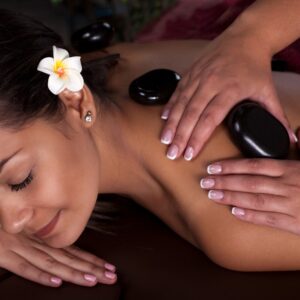
Hot stone massage combines massage with warm stones. The heat can help the body relax more quickly, especially during colder seasons or after particularly stressful weeks.
For those who have already found their favorite way to relax in the world of Thai massage, Buda Oriental Massage can feel like a natural next step. You stay on the same “Eastern path,” while discovering new stops along the way. The February 1, 2026 opening is a great opportunity to explore what it feels like when Thai techniques are complemented by Filipino (Hilot), Japanese (Shiatsu), and heat-based (hot stone) experiences — all within an Asian massage salon in Buda.